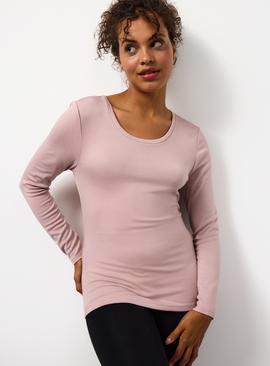
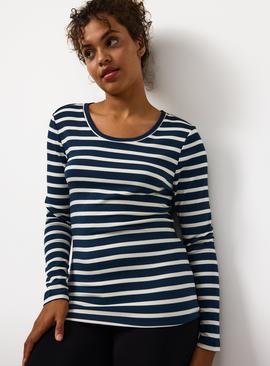
What are women’s thermals?
Women’s thermals are close-fitting base layers designed to trap warmth under everyday outfits. For example, wear a vest under a shirt or top, or leggings under a dress or trousers, so layers sit neatly and your outfit keeps a clean shape.
Choose by type
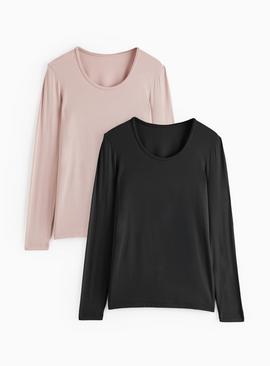
Thermal tops: Long-sleeve layers made to sit flat under shirts, knits and jackets. Choose a lighter option for time indoors, and a thicker option when you’ll be outside for longer.
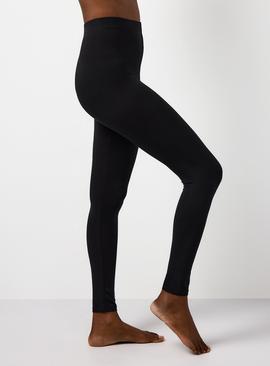
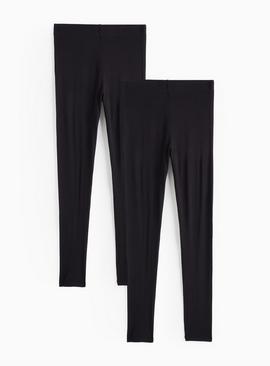
Thermal leggings: Made to layer under dresses, skirts, trousers or loungewear when temperatures drop. A lighter pair suits time indoors with short trips outside. A warmer pair suits longer spells in the cold.
Thermal vests and camis: Low-bulk staples that stay discreet under T-shirts and shirts. Suitable under light colours and smoother fabrics when you want warmth without extra volume.
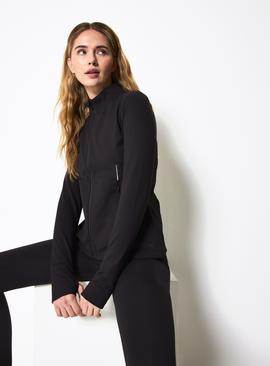
Zip-through jacket: A practical top layer when you want quick warmth without heavy bulk. Wear it over a base layer and a knit when the temperature dips.
Warmth levels: how to choose
If you move between heated rooms and the outdoors, start with a lighter warmth level so you can layer up and down easily. If you tend to feel cold, or you’ll be outside for longer, a thicker warmth level is usually more comfortable.
A general guide: For short time outdoors: go lighter. For longer periods outdoors: choose warmer.
Materials: brushed, fur-lined or pointelle
Choose by feel and finish:
- Brushed: soft, cosy and easy for everyday wear
- Fur-lined: thicker and more insulating for colder days
- Pointelle: lighter and breathable, and less noticeable under fitted pieces
Layering for daily wear
Start with a vest or slim long-sleeve top, then add your shirt, knit or jacket and, if needed, finish with a coat. A close fit helps layers sit smoothly in layered outfits on the move and through the day.
Sizing for layering
Base layers are cut close to the body. Your usual size typically works under many layers, including knits and tailored pieces.
If cuffs or hems are showing and you prefer a neater line, consider sizing down.
If you’re between sizes, think about what you’ll wear on top and whether you prefer a snug feel or a little extra ease.
Size availability varies by style.
Are sets available?
Sets and multipacks depend on style and availability. Matching tops and leggings in the same warmth level can make getting dressed on cold mornings feel simpler.
Set-up, care and storage
If helpful, lay out your base layer with your outfit in advance so you can get dressed quickly on cold mornings.
Fold flat and keep layers grouped by warmth level so they’re easy to grab for travel or day-to-day use.
Can thermal leggings be worn on their own?
You can wear them under dresses, skirts or trousers for extra warmth. Some styles also work on their own. For added coverage outdoors, layer them under a dress or wider-leg trousers.
Are these suitable as ski base layers?
They can work as next-to-skin base layers. Add a mid-layer and an outer shell on top. If you tend to feel cold, a warmer option can help. For long days out, look for good stretch and a close fit that won’t wrinkle under outer layers.
Will thermals cause overheating indoors?
A lighter warmth level or pointelle can feel more comfortable if you’re moving between outdoors and heated spaces. For mixed days, start with a close-fitting base and adjust with knits and coats as needed.